
Health problems can sneak up on anyone, making daily life harder if you don’t know how to handle them. Whether it’s joint pain from bursitis or a bloated stomach from gas, knowing what’s behind your symptoms helps you take action faster. And here’s the good news: small changes can make a big difference.
If you deal with bursitis, you’re probably always careful about moving the right way. Yoga often comes up as a go-to fix, but does it really help? Some gentle yoga moves can ease stiffness and pain by improving blood flow and stretching tight muscles around the joints. But pushing too hard or doing the wrong poses can make things worse. So, it’s smart to pick yoga routines designed specifically for people with joint issues or follow advice from a physical therapist who knows about bursitis.
Start with simple stretches that don’t strain your joints. Poses like child's pose or easy seated stretches are great because they encourage movement without pressure. Avoid deep bends or twists that irritate your bursitis. Also, listen to your body — if something hurts, stop right away. You can build strength over time, but rushing won’t help.
Stomach issues can be embarrassing and uncomfortable, but they often respond well to easy fixes. Common causes include what you eat and how fast you eat it. Imagine gulping down food quickly or chugging soda—this traps air and causes gas and bloating. Try eating slowly, chewing better, and cutting back on fizzy drinks or greasy foods that can upset your stomach.
If you notice certain foods trigger your discomfort, keep a simple food diary. This way, you can spot patterns and avoid problem items. Also, regular exercise does wonders for digestion by keeping things moving inside you. Drinking plenty of water and managing stress are little habits that can stop stomach pain before it starts.
Dealing with any health condition means listening to your body and adjusting your lifestyle carefully. Whether it’s easing joint pain or calming your stomach, practical, clear actions bring real relief. Remember, you don’t have to figure this out alone—find trustworthy advice and take steps that fit your day-to-day life.
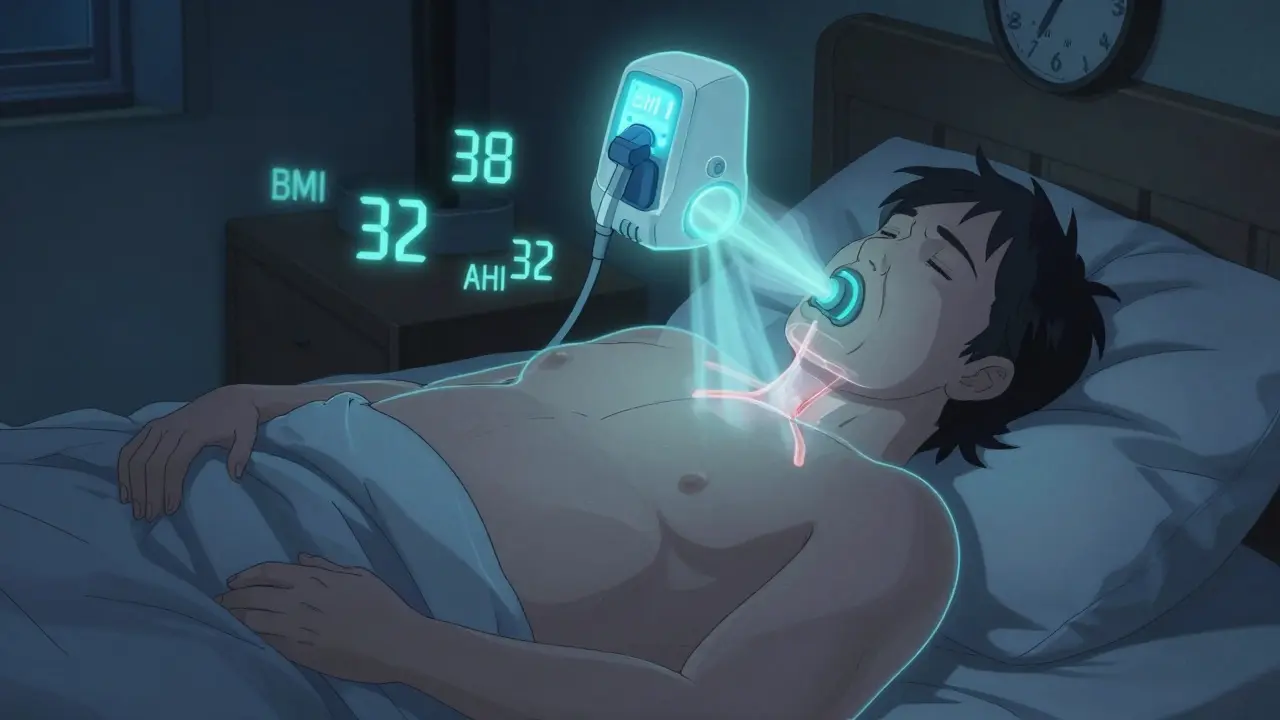
Losing weight can dramatically improve sleep apnea and reduce CPAP pressure needs. For many, even a 10% weight loss reduces breathing pauses by half-and may eliminate CPAP use entirely.
Read More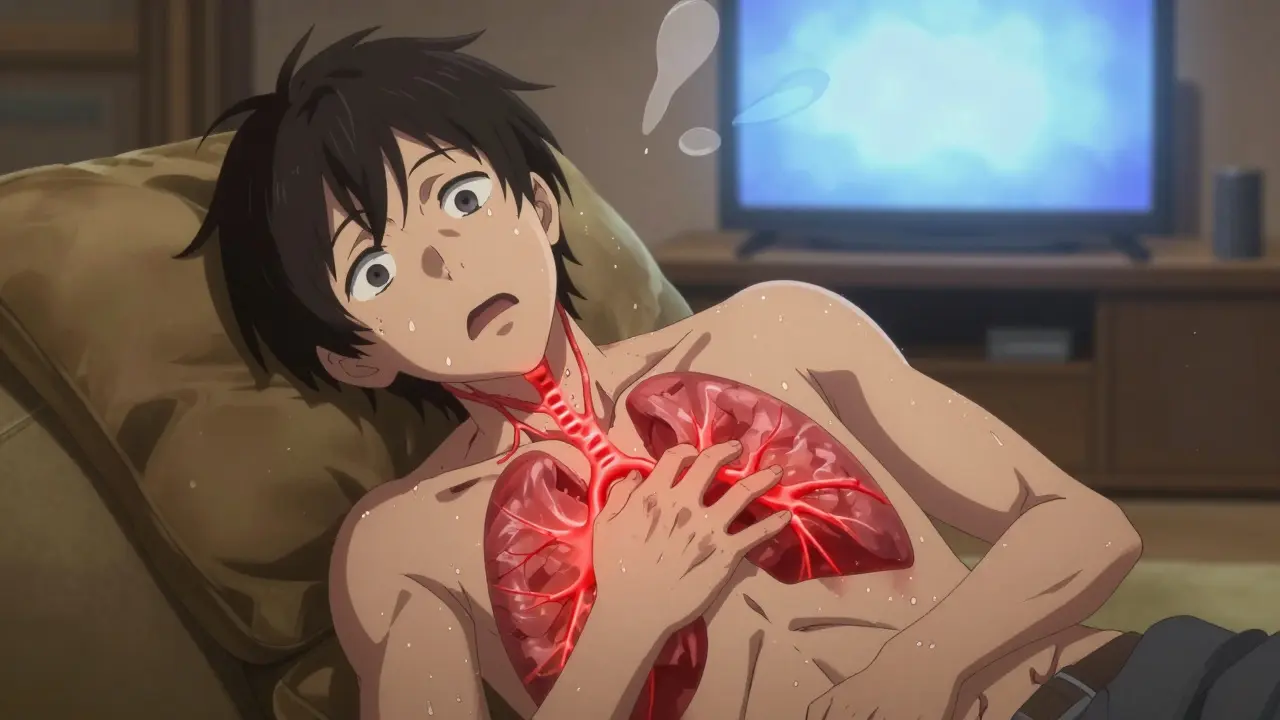
Pulmonary embolism causes sudden shortness of breath and can be deadly if missed. Learn how it's diagnosed, what symptoms to watch for, and why quick action saves lives.
Read More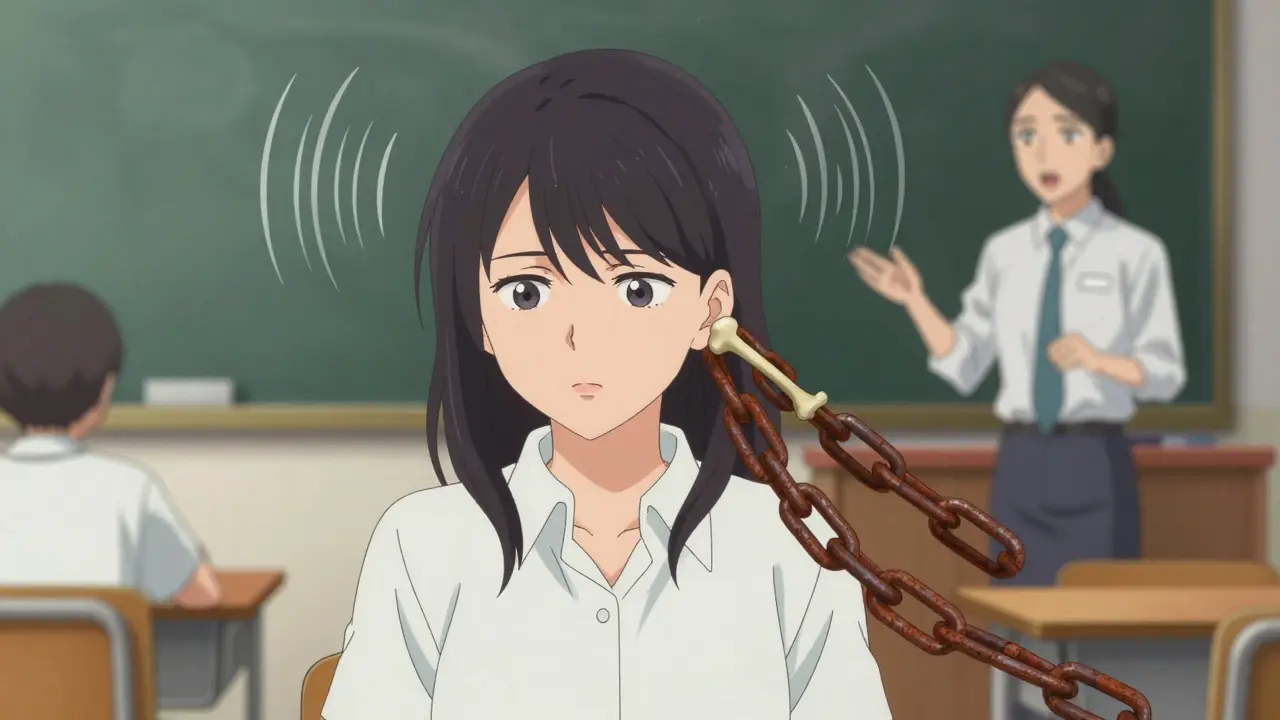
Otosclerosis is a common cause of conductive hearing loss in adults under 50, caused by abnormal bone growth around the stapes in the middle ear. It primarily affects low-pitched sounds and can be treated effectively with surgery or hearing aids.
Read More
Psoriatic arthritis links skin and joint inflammation through the same immune response. Learn the key signs - like dactylitis and nail changes - and how modern treatments can prevent permanent damage.
Read More
Epilepsy surgery offers hope for those with drug-resistant seizures. Learn who qualifies, what the real risks are, and how likely you are to become seizure-free-backed by current medical guidelines and patient outcomes.
Read More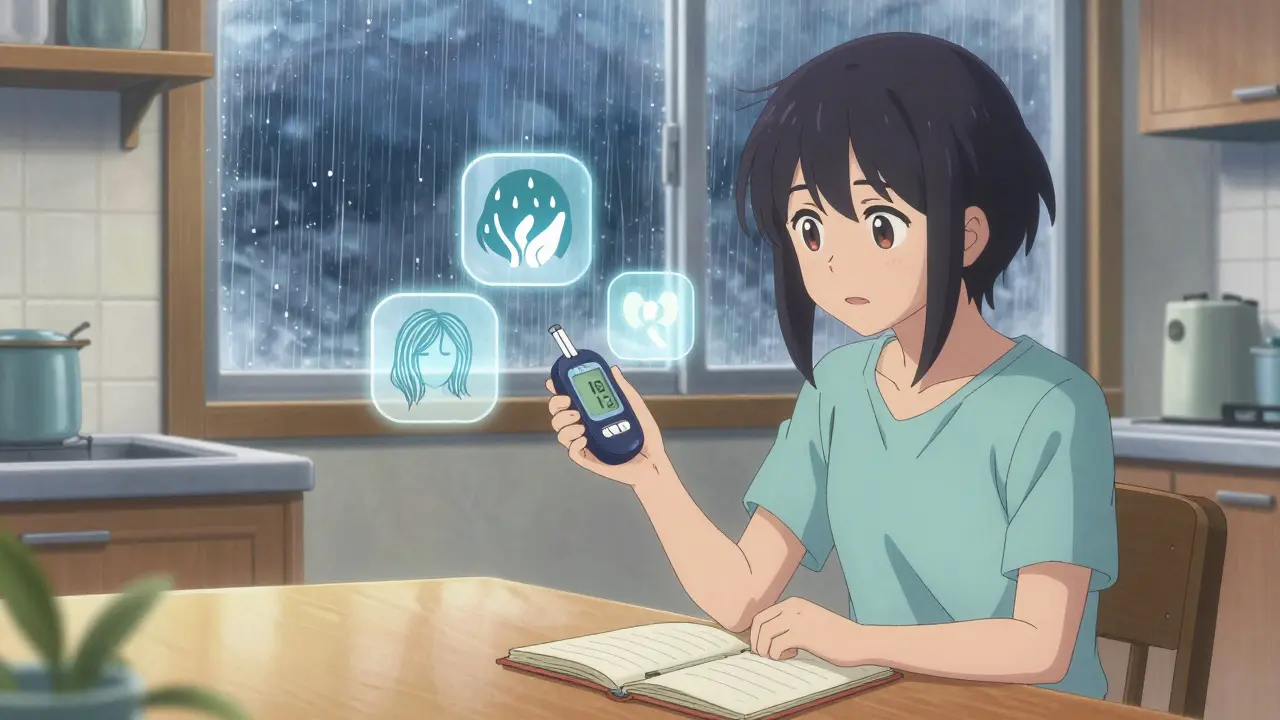
Diabetes and thyroid disease often occur together, with overlapping symptoms like fatigue, weight changes, and mood swings. Learn how they interact, why testing is critical, and how to manage both conditions safely.
Read More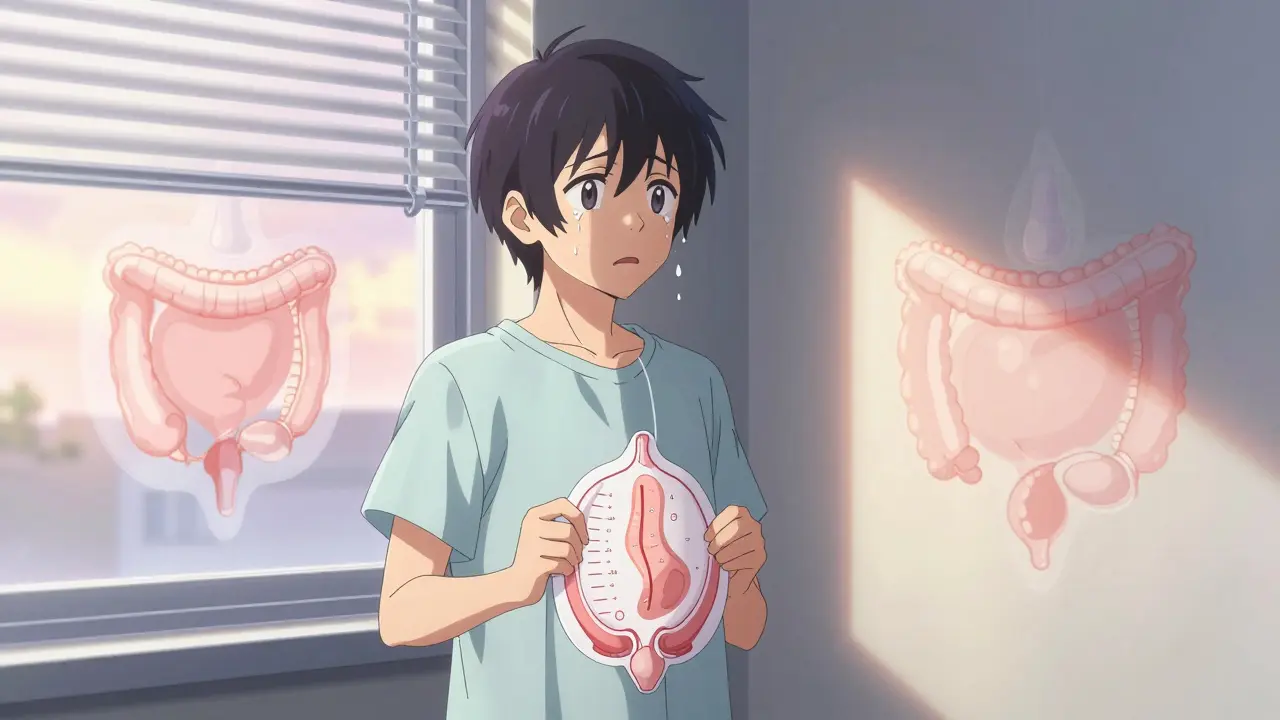
IBD surgery offers life-changing relief when medications fail. Learn how bowel resection, J-pouch, and ostomy procedures work, what recovery really looks like, and which option is right for you.
Read More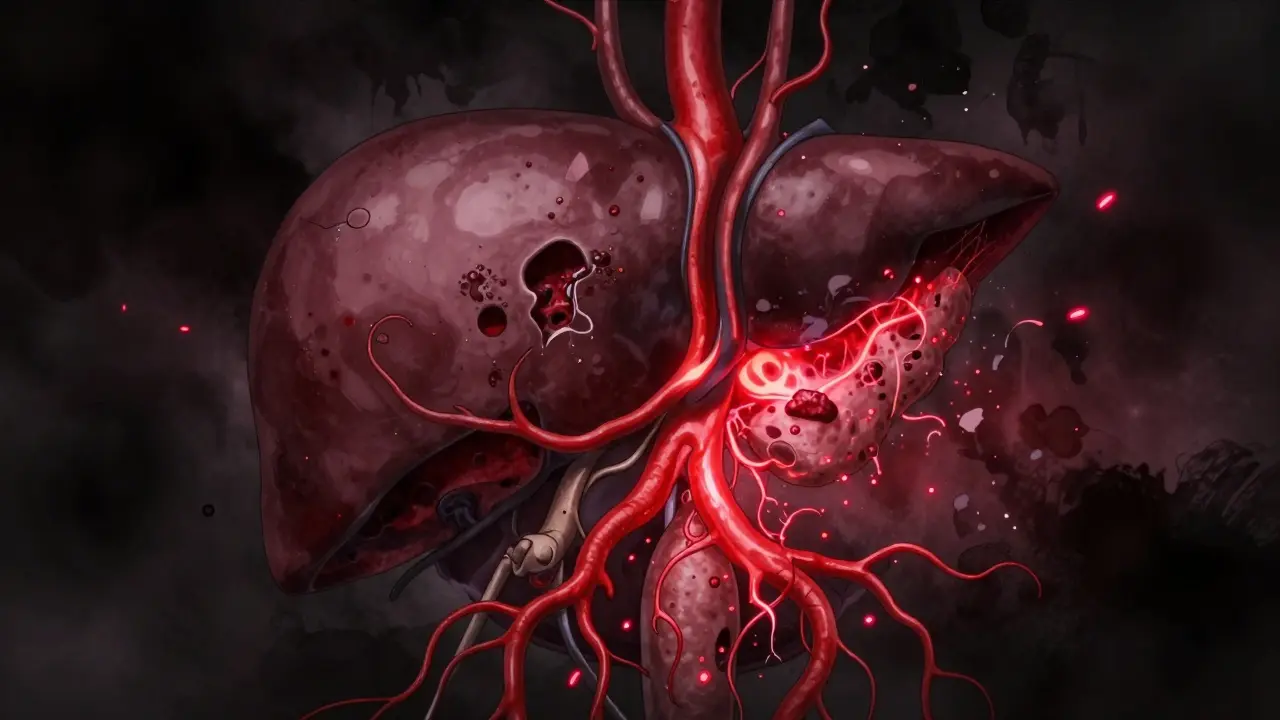
Portal hypertension raises pressure in liver blood vessels, leading to dangerous varices and ascites. Learn how to manage bleeding risks, fluid buildup, and complications with proven treatments and new advances in 2026.
Read More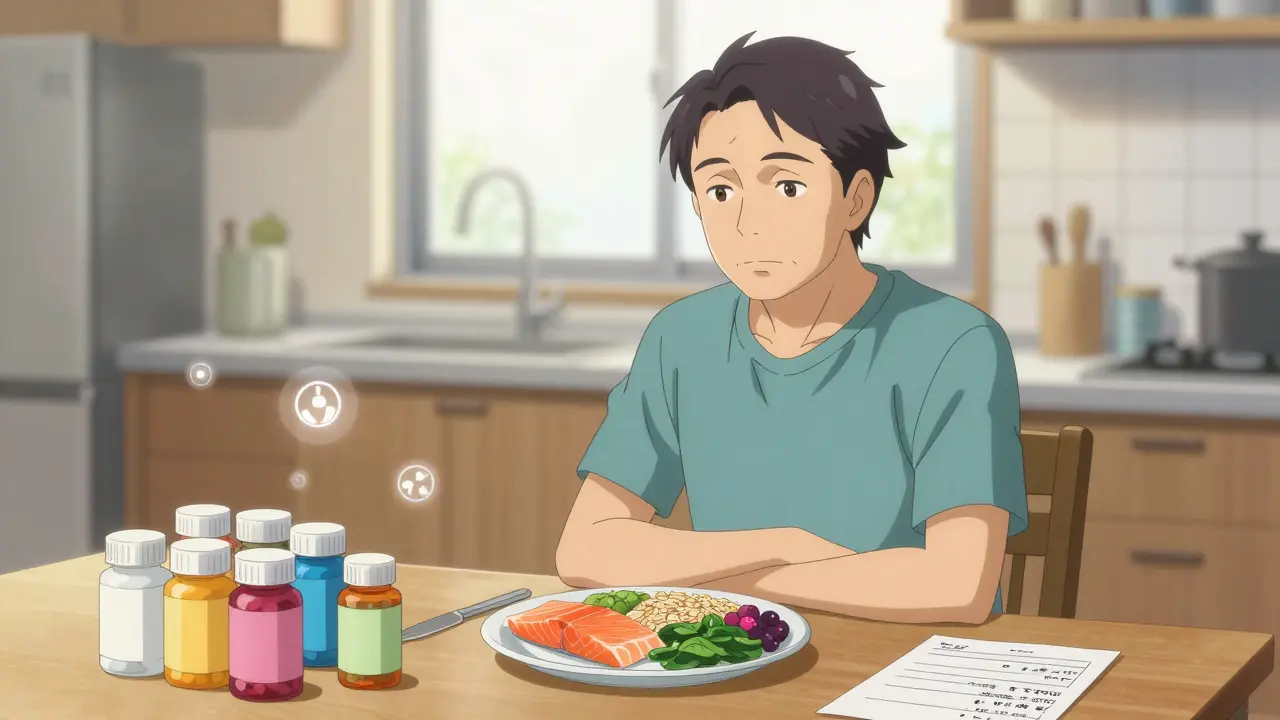
Learn how to rebuild your life after a heart attack with the right medications, heart-healthy diet, and safe activity plan. Follow expert-backed steps to reduce future risk and regain strength.
Read More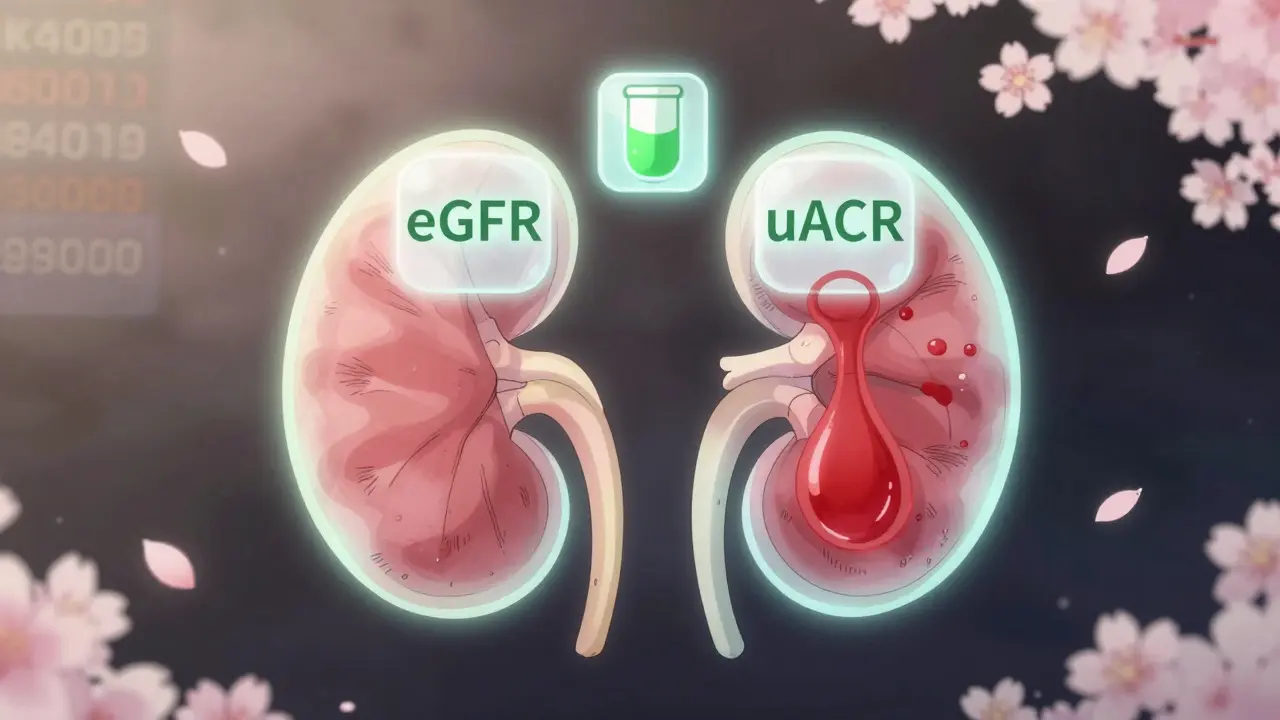
Chronic kidney disease often has no symptoms until it's advanced. Early detection with eGFR and uACR tests can stop progression. Learn who needs screening, what works, and how to protect your kidneys before it's too late.
Read More
Driving on opioids-even prescribed ones-can lead to DUI charges and deadly crashes. Learn the legal risks, how opioids impair driving, and what you must do to stay safe and compliant.
Read More
Learn how to prevent and manage exercise-induced bronchoconstriction with proper inhaler use, warm-up techniques, and environmental adjustments. Discover what works, what doesn’t, and how to stay active without breathing trouble.
Read More© 2026. All rights reserved.